A living practice, beyond a staged ceremony
Cultural background from UNESCO
UNESCO inscribed China’s traditional tea processing techniques and associated social practices in 2022. Its description includes tea growing, picking, manual processing, drinking and sharing, and describes tea-related hospitality and relationships within communities. Source: UNESCO
For a beginner, this suggests a welcoming approach: make room for attention and conversation. You can ask what your guest likes and explain the leaf you have chosen. Our suggestion is to keep the first session simple instead of treating a long equipment list as an entry requirement.
UNESCO groups the Chinese traditions into green, yellow, dark, white, oolong and black tea, reflecting varied local conditions and processing knowledge. For a newcomer, the practical lesson is to read the name and preparation guidance of the actual tea, then compare one product at a time. Source: UNESCO
Choose around your tea habit
| Your habit | A useful question |
|---|---|
| Mostly drinking alone | Do you enjoy holding and looking at one particular cup? |
| Sharing a prepared pot | What is the actual serving arrangement and how many people are involved? |
| Comparing teas | Can you keep leaf, water and preparation notes consistent? |
| Buying a decorative piece | Will it be displayed, or is food/drink suitability required? |
The leaf and the conversation can guide the arrangement: a solo session invites close attention; a shared pot creates pauses for serving and talking; a comparison tasting benefits from a simple written note. Begin with an arrangement you can repeat comfortably, then decide which extra vessel would serve a real purpose.
A simple first gathering
An optional sharing exercise
- Choose a tea you already enjoy and follow its supplier’s preparation guidance.
- Tell your guest what you are serving and invite their preferences.
- Use vessels already known to be suitable for the drink and temperature.
- Observe aroma, flavour and the experience of sharing; there is no required tasting vocabulary.
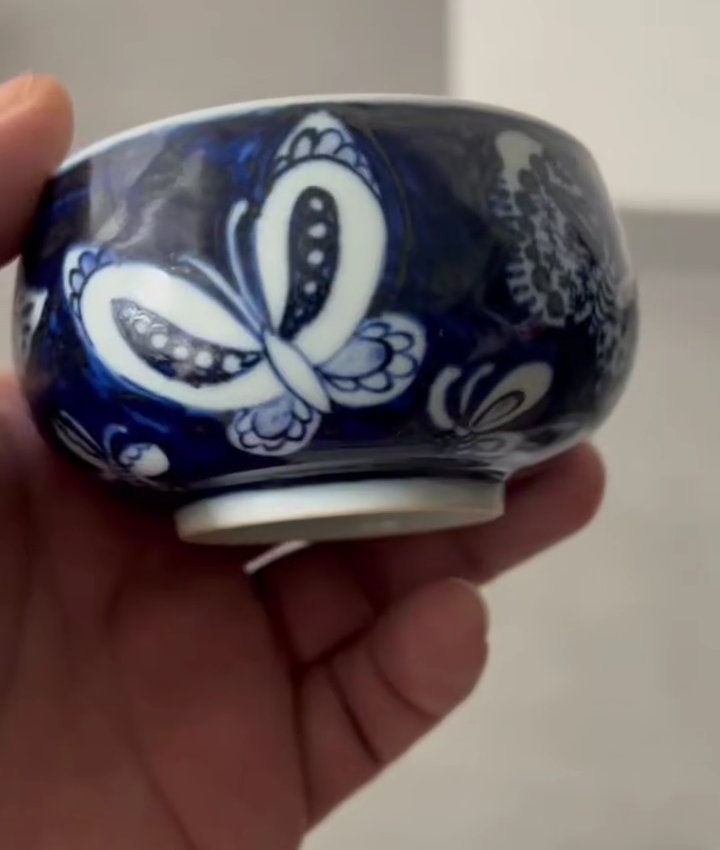
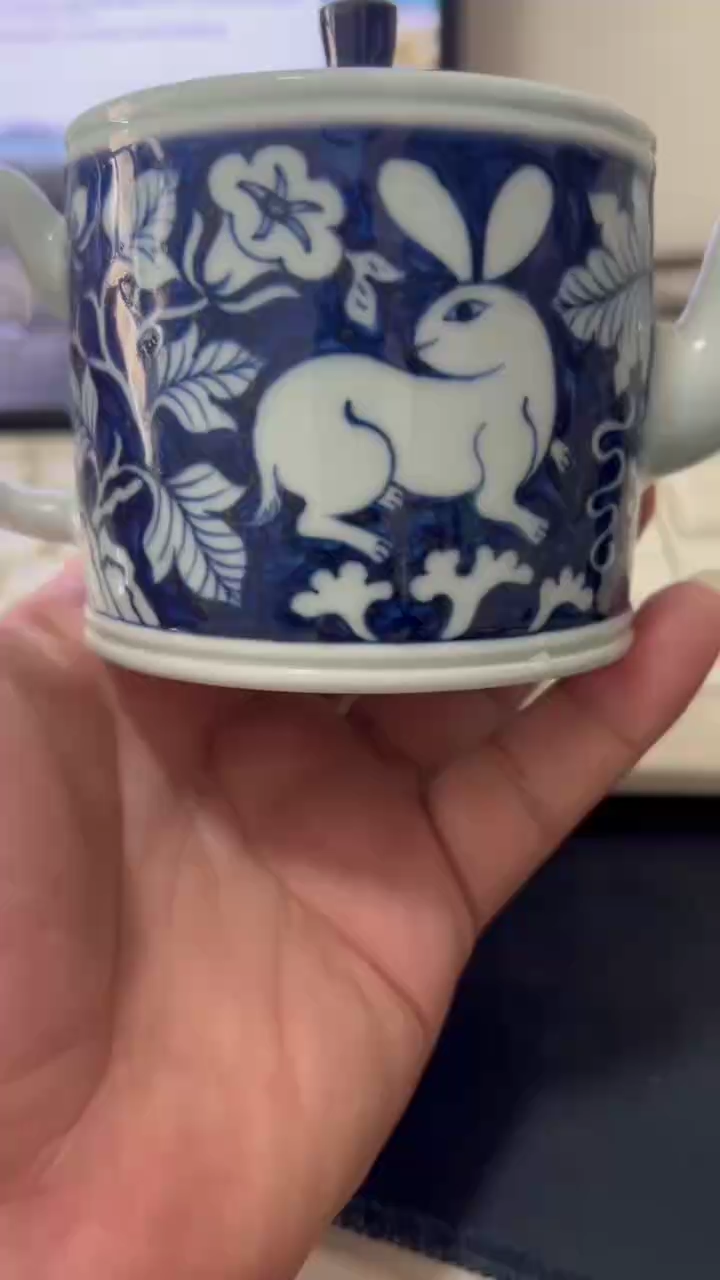
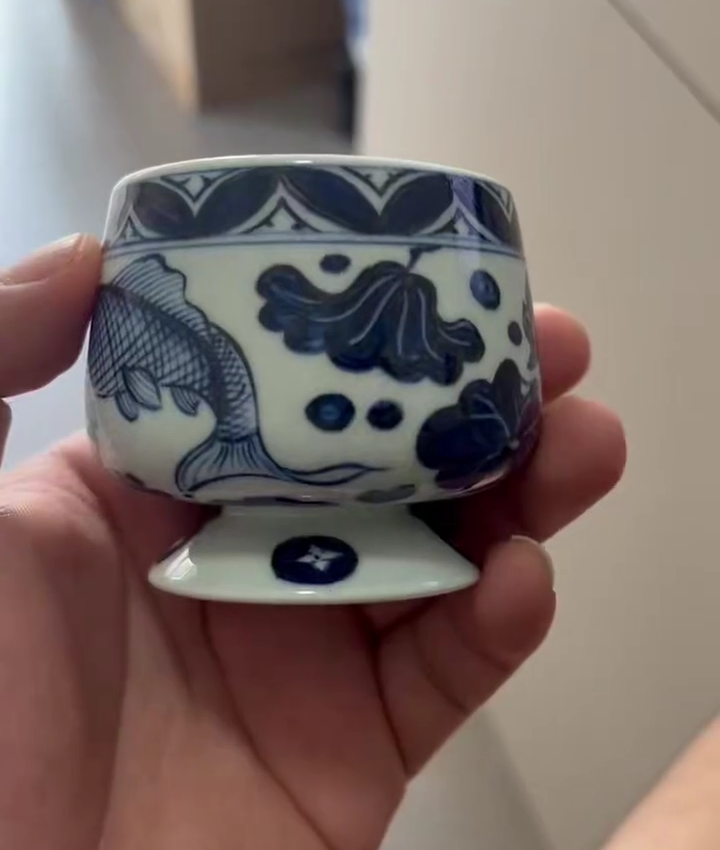
Look at the three forms as different design ideas: the butterfly cup places a painted image around a rounded wall; the rabbit pot creates a small composition of lid, handle and spout; the fish cup lifts its bowl on a foot. If you want a coordinated group, describe the people and setting in a custom brief. Before serving tea in a listed piece, confirm its suitability; tea leaves and drinks are not included.
A small tea table does not need a matching set
For a small tea table or a tea corner at home, begin with the number of people, a safe place for hot water and the vessels already confirmed suitable for the intended drink. A visually coordinated set can be enjoyable, but it is not a requirement for sharing tea. Avoid choosing a pot solely because a photograph makes it look like a complete service.
Our three listings show different forms: a rounded butterfly cup, a lidded rabbit teapot and a fish footed cup. Each is a separate item. For a tea-lover gift or a coordinated tableware idea, clarify the recipient’s habits and intended use by email before choosing an item or proposing a custom group.
Before you decide
- Start with people and tea preferences.
- Follow the tea supplier’s actual preparation instructions.
- Confirm the specific vessel’s intended use.
- Treat the heritage listing as cultural context, not product certification.
Sources and the scope of this guide
Follow the sources for historical, botanical and conservation background. Observations of this collection refer to the shop’s original videos; selection, styling and tasting exercises are our suggestions. For a purchase, use the actual item record.