Tea names describe more than a colour
Botanical and cultural background
Kew identifies Camellia sinensis as the tea plant; its species account notes that black and green tea come from the same species. Source: Kew
UNESCO’s tea entry lists six broad Chinese tea categories: green, yellow, dark, white, oolong and black. Source: UNESCO
That classification is useful background, not a complete flavour description. For the tea in your hands, use the producer’s name, ingredients and preparation guidance. An infusion sold as a flower or herbal drink may have different ingredients; read the label rather than treating all drinks as interchangeable.
A small tasting experiment, not a universal rule
Our tasting exercise — your own preferences
The following are optional tasting ideas from the shop, not scientific rankings or traditional requirements. Begin with a drink on its own, then try one small bite of food, and taste the drink again. Notice what you prefer. Change one thing at a time so that the comparison remains understandable.
| Starting idea | Question to explore |
|---|---|
| A tea you enjoy + a plain biscuit | Does the food make the drink seem sweeter, drier or unchanged? |
| The same tea + a fragrant snack | Do you still notice the tea’s aroma clearly? |
| A caffeine-free drink you already use | Which flavour and serving instructions does its own label describe? |
| Water between samples | Does a pause help you distinguish your preferences? |
Write a tasting note you can actually use
A short note can have four entries: the drink and producer, how it was prepared, what food you tried with it, and which combination you preferred. Use your own words—floral, toasted, bright, drying or simply “I liked it more on its own”. Keep the preparation the same on a second try, so your next decision has a useful reference.
For these experiments use a vessel already confirmed suitable for the drink and temperature. Ask before using a shop purchase for food or drink; the shop does not sell the tea or snacks in these examples. Vessel appearance and a tasting suggestion are separate from product use instructions.
Match a visual setting without prescribing a flavour
Personal styling ideas
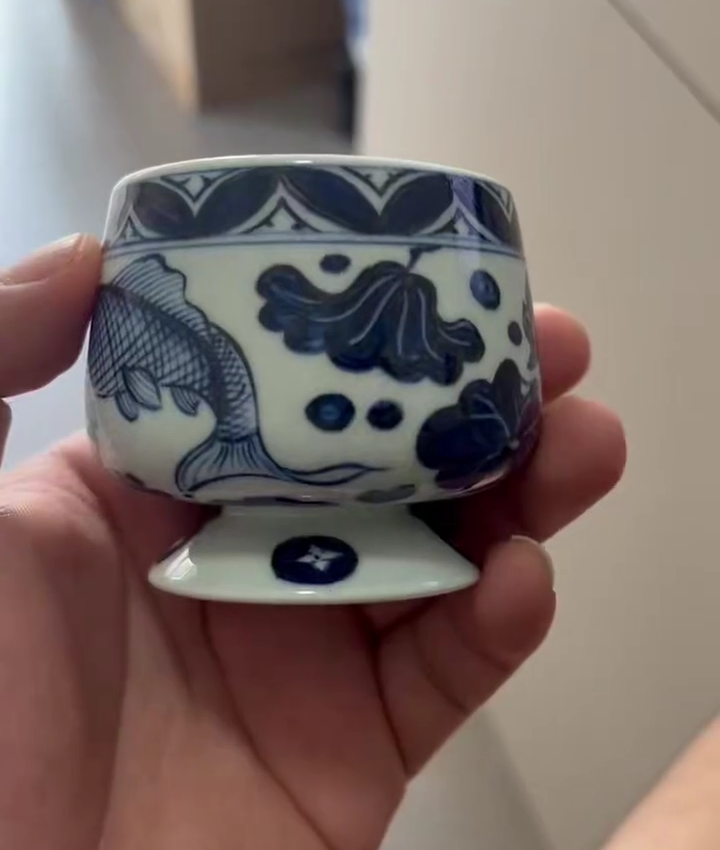
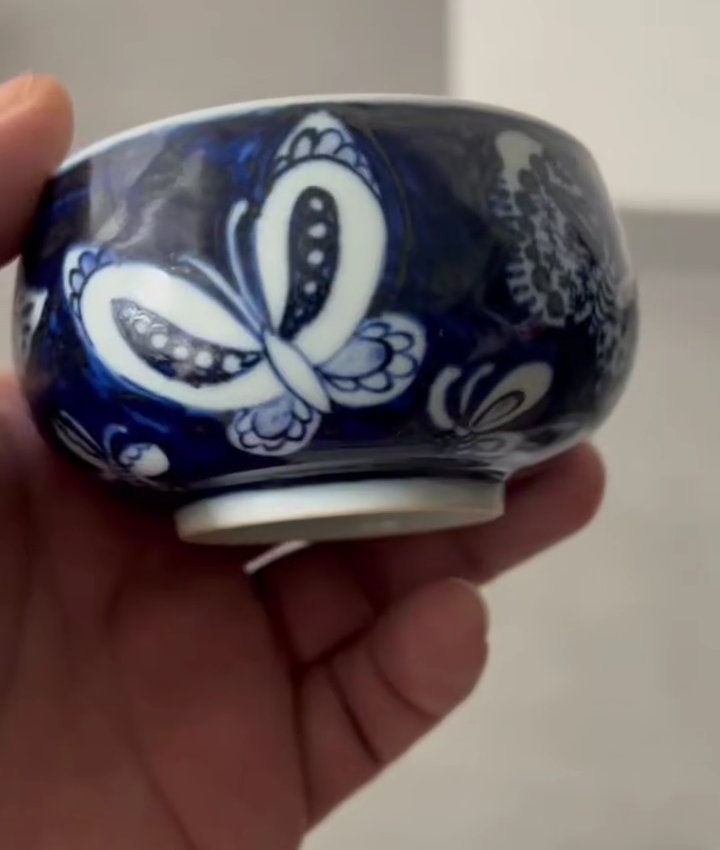
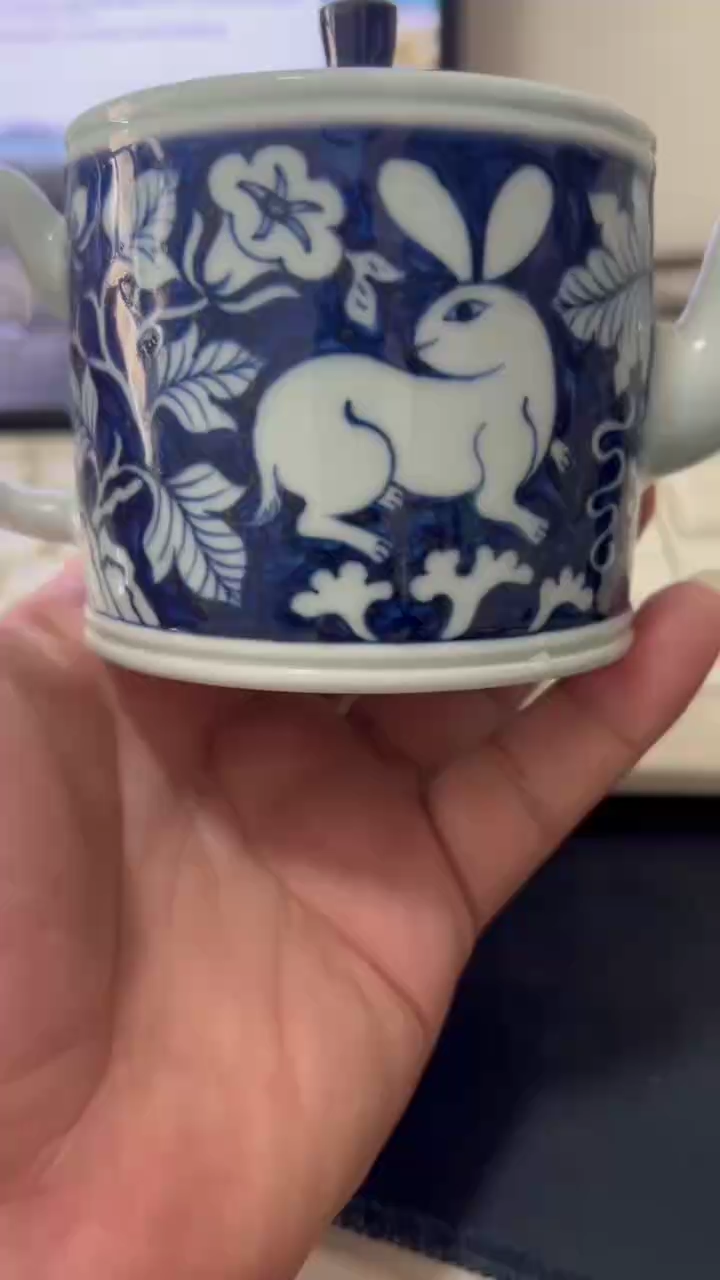
For a quiet table setting, you might compare the painted piece against the colours already in the room or on a cloth. A blue-and-white palette, a deep blue ground and a footed silhouette offer different visual starting points. These are decor ideas, not evidence that a particular vessel improves a tea or suits every beverage.
If you want to compare a tea cup with a coffee cup or use a vessel for a non-tea drink, start with the actual intended temperature and ingredients and confirm the object’s suitability. The words “cup” and “teapot” describe a form here; they are not a substitute for use instructions.
Before you decide
- Read the drink’s ingredient and preparation information.
- Treat pairing ideas as personal experiments.
- Use a vessel already confirmed suitable for the drink.
- Confirm included parts; tea and drinks are not included.
Sources and the scope of this guide
- Royal Botanic Gardens, Kew — Camellia sinensis
- UNESCO — Traditional tea processing techniques and associated social practices in China
Follow the sources for historical, botanical and conservation background. Observations of this collection refer to the shop’s original videos; selection, styling and tasting exercises are our suggestions. For a purchase, use the actual item record.