Three useful lenses for looking
| Lens | Ask | Avoid assuming |
|---|---|---|
| Place | Where was this particular piece made? | A city’s long history is the age of a new object. |
| Image | Which animals, plants, colours and empty spaces are visible? | Every similar-looking motif has one universal meaning. |
| Use and exchange | Who was a documented object made for, and how did it travel? | All Chinese porcelain followed one fixed cultural model. |
Porcelain was part of cultural exchange
Museum history
The Metropolitan Museum of Art describes Chinese export porcelain made to meet overseas demand, including forms based on European models. Its examples show that Chinese ceramic history includes adaptation and exchange, as well as local traditions. Source: The Met
This is a useful corrective when a product is described simply as “traditional Chinese”. Ask which period, place, form or image the description refers to. A broad cultural label is a starting point for a question, not evidence of a specific technique or maker.
Look at the contemporary pieces here
A looking exercise with our original videos
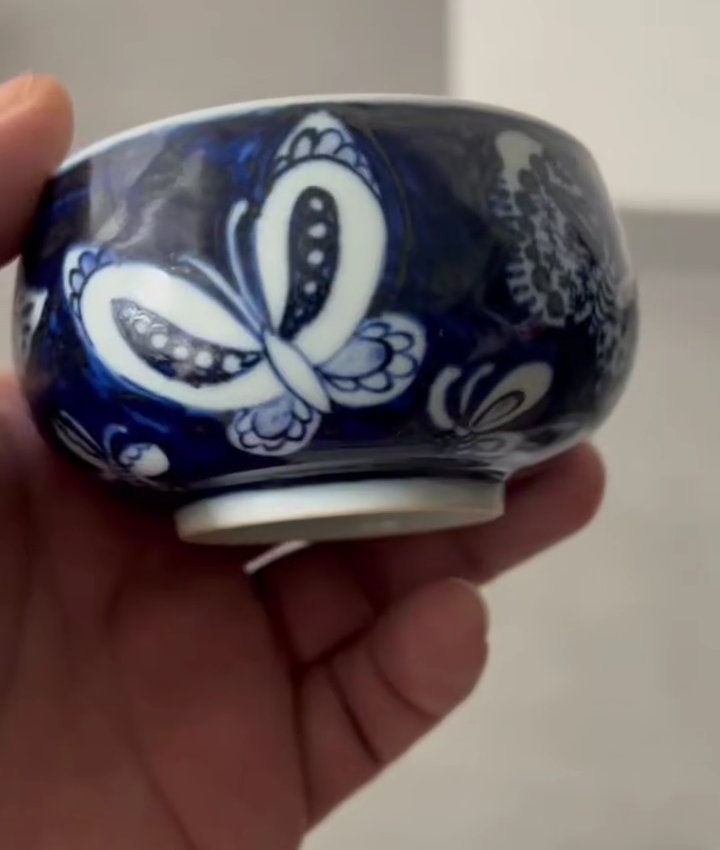
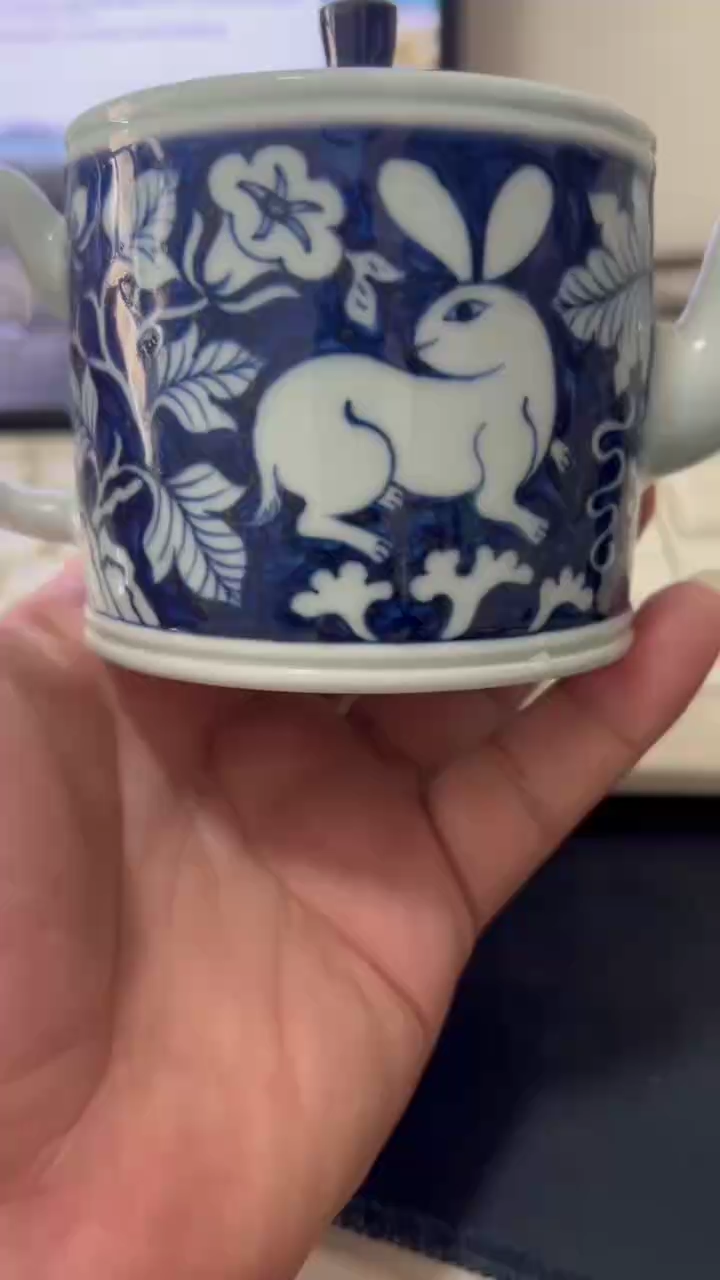
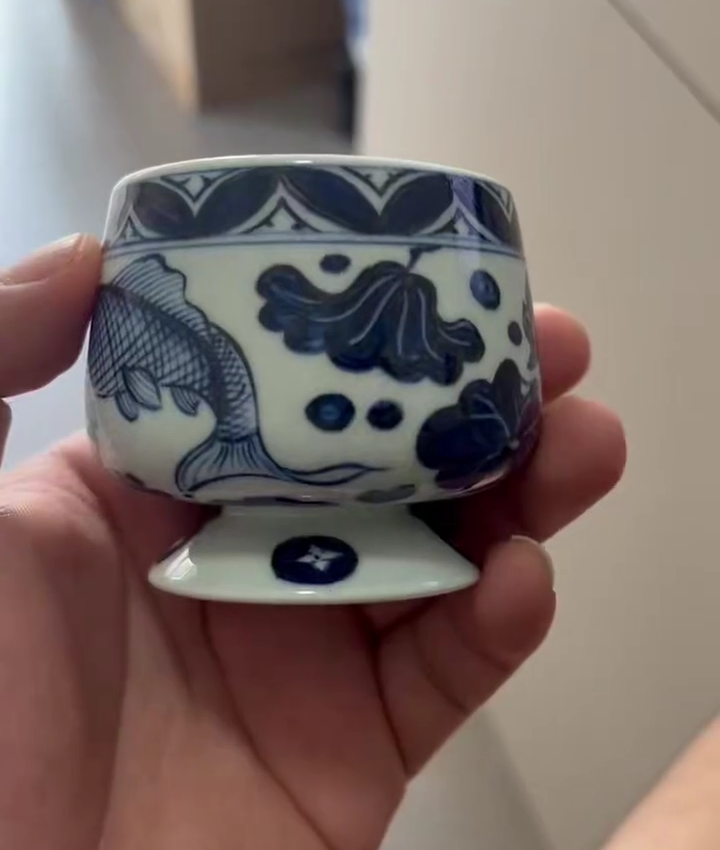
In the current collection, you can compare a butterfly on a dark blue exterior, a pale rabbit among plant forms and a fish motif on a footed cup. Start with line, contrast and the placement of the image around the vessel. These are descriptions of what is visible, not an attribution to a named historical school.
Try a slow viewing sequence: pause first on the overall outline, then follow one animal around the curved wall, and finally compare the undecorated areas with the densest painted parts. The butterfly cup reads as a low, rounded form; the rabbit pot adds a lid, handle and spout; the footed fish cup changes the relationship between body and base. These differences make a useful small exercise in looking at design.
If the piece is a gift, describe what you see and what it means to you. If a historical story is important to the purchase, ask for its specific source before committing. For a bespoke motif, use the custom enquiry page to discuss references and permission to use them.
Home decor, a small collection or a conversation starter
Ideas for your own setting
A contemporary porcelain piece can be considered for a shelf, a cabinet or a quiet corner of a home. A design-focused comparison asks how a rounded cup, a lidded teapot or a raised foot changes the outline and the placement of the painted motif. These are useful questions for looking; the shop does not attach an investment classification to them.
If you are starting a small ceramics collection, keep the item name, original views, invoice or order record and any confirmed origin information together. “Collectible” can describe your personal interest; it should not be confused with an antique attribution, a museum relationship or a resale-value guarantee.
Before you decide
- Separate the object’s age from the history of its place of origin.
- Describe visible imagery before assigning a meaning.
- Follow a museum source for historical context.
- Use original views to assess the actual modern piece.
Sources and the scope of this guide
Follow the sources for historical, botanical and conservation background. Observations of this collection refer to the shop’s original videos; selection, styling and tasting exercises are our suggestions. For a purchase, use the actual item record.