What does “blue-and-white” mean?
Historical context from the V&A
The V&A explains blue-and-white ceramics in terms of cobalt-blue pigment on a white body, usually under the glaze. Its account highlights improvements to clay recipes and firing technology at Jingdezhen during the Yuan dynasty (1279–1368). Source: V&A
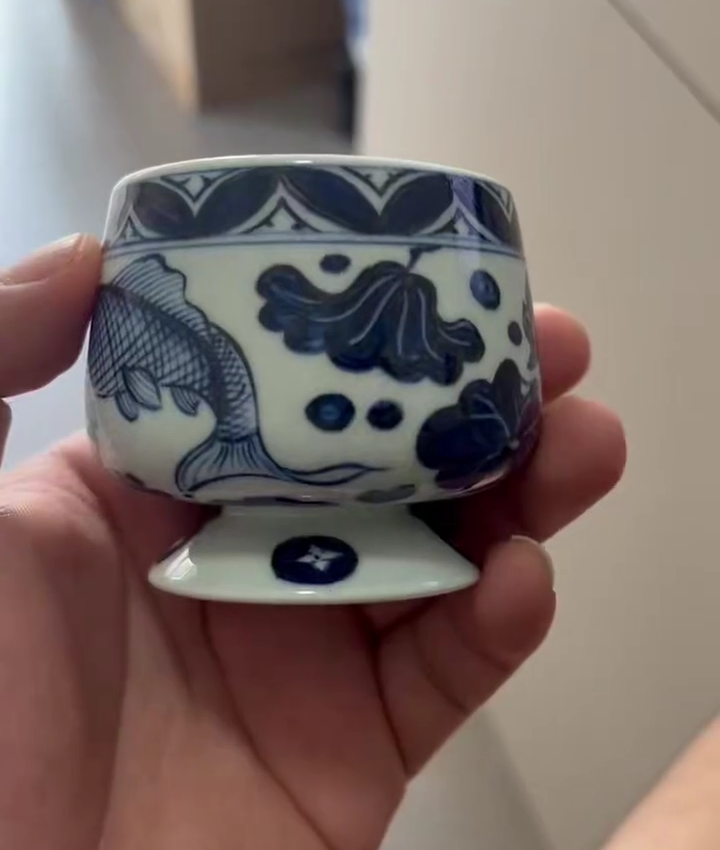
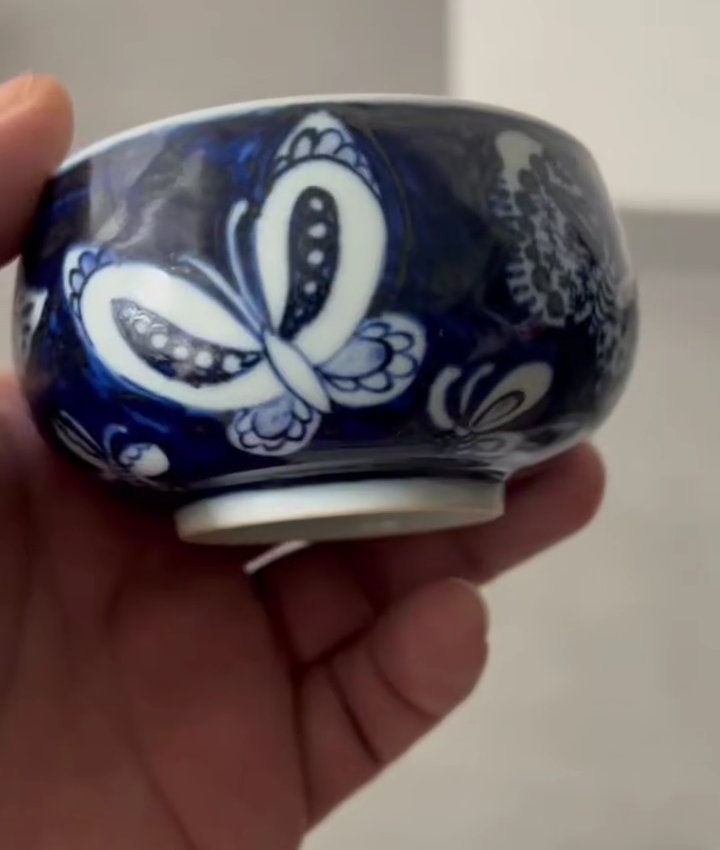
A useful visual starting point is the contrast between line and filled areas. A fine outline can describe a leaf or wing; a larger blue area can make a lighter motif stand forward. The museum’s examples are a place to practise noticing those relationships before comparing a contemporary piece. Source: V&A
Porcelain vs pottery: compare the material, then the object
Material terminology from CCI
Ceramics is the broader family. Canadian Conservation Institute guidance distinguishes porcelain, stoneware and earthenware by features of body and firing; it describes true porcelain as having a white, non-porous body and illustrates its brittleness. This explains material terminology rather than testing a listed piece. Source: CCI
| Term | Useful distinction |
|---|---|
| Ceramics | A broad group of fired-clay materials and objects. |
| Porcelain | A material category, not a synonym for antique, handmade or food-safe. |
| Pottery | A word used in different ways; ask which body and finish are actually meant. |
| Blue-and-white | A decorative tradition or description, not the whole material specification. |
A few milestones, rather than a single origin story
- 1279–1368 / Yuan
The V&A describes improvements to Jingdezhen clay recipes and firing technology that advanced blue-and-white porcelain.
Source: V&A - Early sixteenth century
The Met describes growing production for export to Europe after Portuguese trade routes expanded.
Source: The Met - Seventeenth–eighteenth centuries
European forms and armorial commissions show overseas clients shaping the design of export porcelain.
Source: The Met - 2014 / A continuing ceramic city
Jingdezhen joined UNESCO’s Creative Cities Network in Crafts and Folk Art.
Source: UNESCO
The Met traces substantial European demand from the early sixteenth century and discusses models sent to Chinese potteries to guide unfamiliar vessel forms. This makes trade a useful second thread alongside technical history. Source: The Met
How to use this history when buying a modern piece
Return to the contemporary collection
Read the museum examples to notice the relationship between shape, painted area and undecorated space. Then return to the original views of the actual piece you are considering. Compare the object, rather than treating a resemblance to a museum photograph as an attribution.
The owner lists the Yao Bian Ji pieces as contemporary handmade porcelain from Jingdezhen. In their original videos we can describe colour, form and visible butterfly, rabbit and fish motifs. A blue ground with a light motif is a visual observation; it does not establish cobalt pigment, underglaze painting or a particular glaze process for that item.
Before you decide
- Read a dated museum source for historical claims.
- Separate a broad ceramic category from a specific production claim.
- Distinguish contemporary work from antiques.
- Check the actual item’s original views and disclosed condition.
Sources and the scope of this guide
- V&A — Chinese blue-and-white ceramics
- Canadian Conservation Institute — Caring for ceramic and glass objects
- The Metropolitan Museum of Art — East and West: Chinese Export Porcelain
- UNESCO — Jingdezhen, Creative Cities Network
Follow the sources for historical, botanical and conservation background. Observations of this collection refer to the shop’s original videos; selection, styling and tasting exercises are our suggestions. For a purchase, use the actual item record.