Qingbai: begin with the glaze
The Cleveland Museum of Art dates its Cup and Stand (Cup), accession 1980.185.a, to the 1100s and labels it Southern Song, Jingdezhen. Its material description identifies porcelain with a pale bluish-white glaze. The accompanying curatorial text connects the name qingbai to that glaze. The point of the term here is the glazed surface, rather than a painted blue design. Source: CMA
A second example is The Met's Vase in the shape of a flower, accession 17.175.5. The museum identifies it as a twelfth-century Southern Song vessel with a bluish-white glaze, made at Jingdezhen. One object is a cup and the other a vase. The shared term qingbai does not name a single vessel shape. Source: The Met
Blue-and-white: read the cobalt decoration
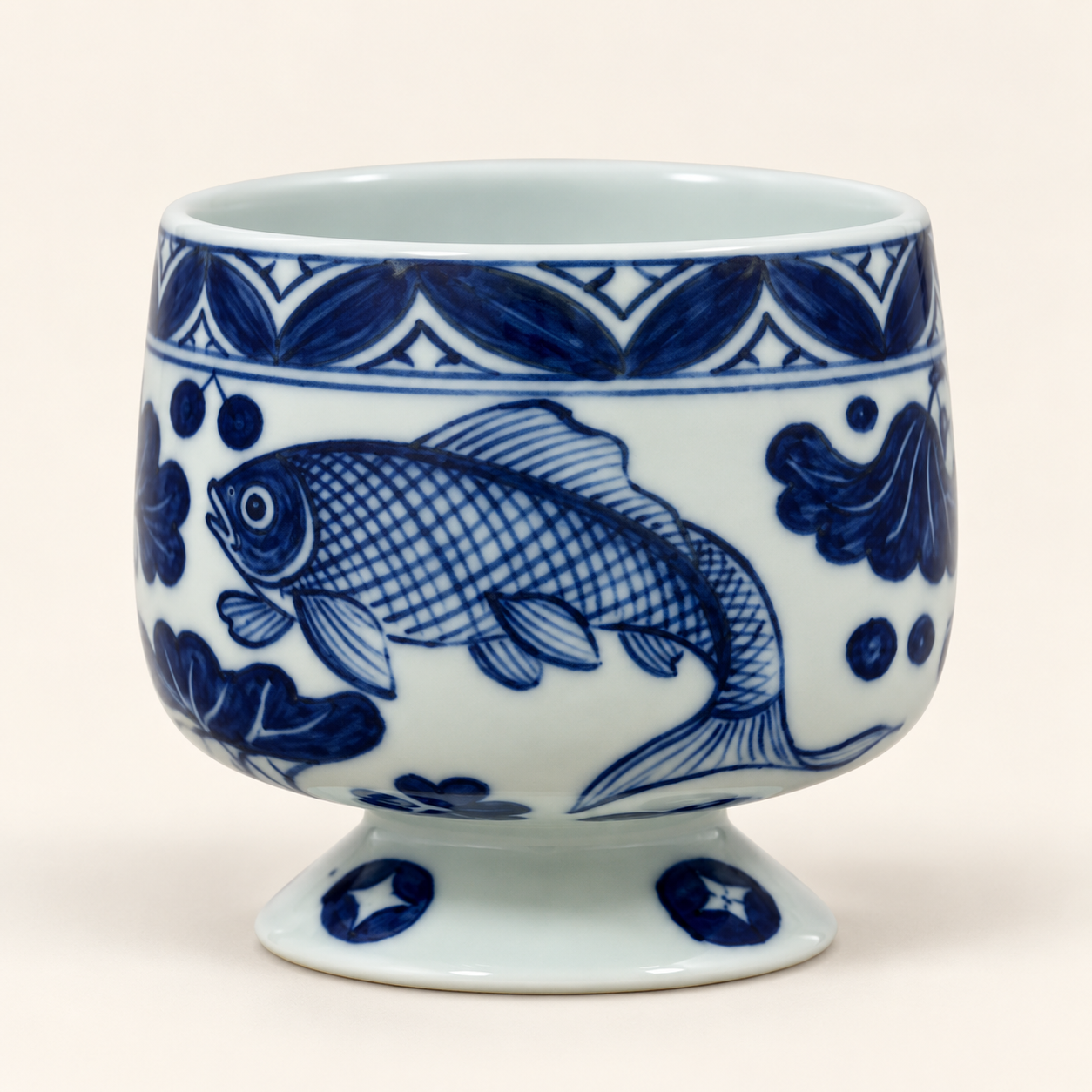
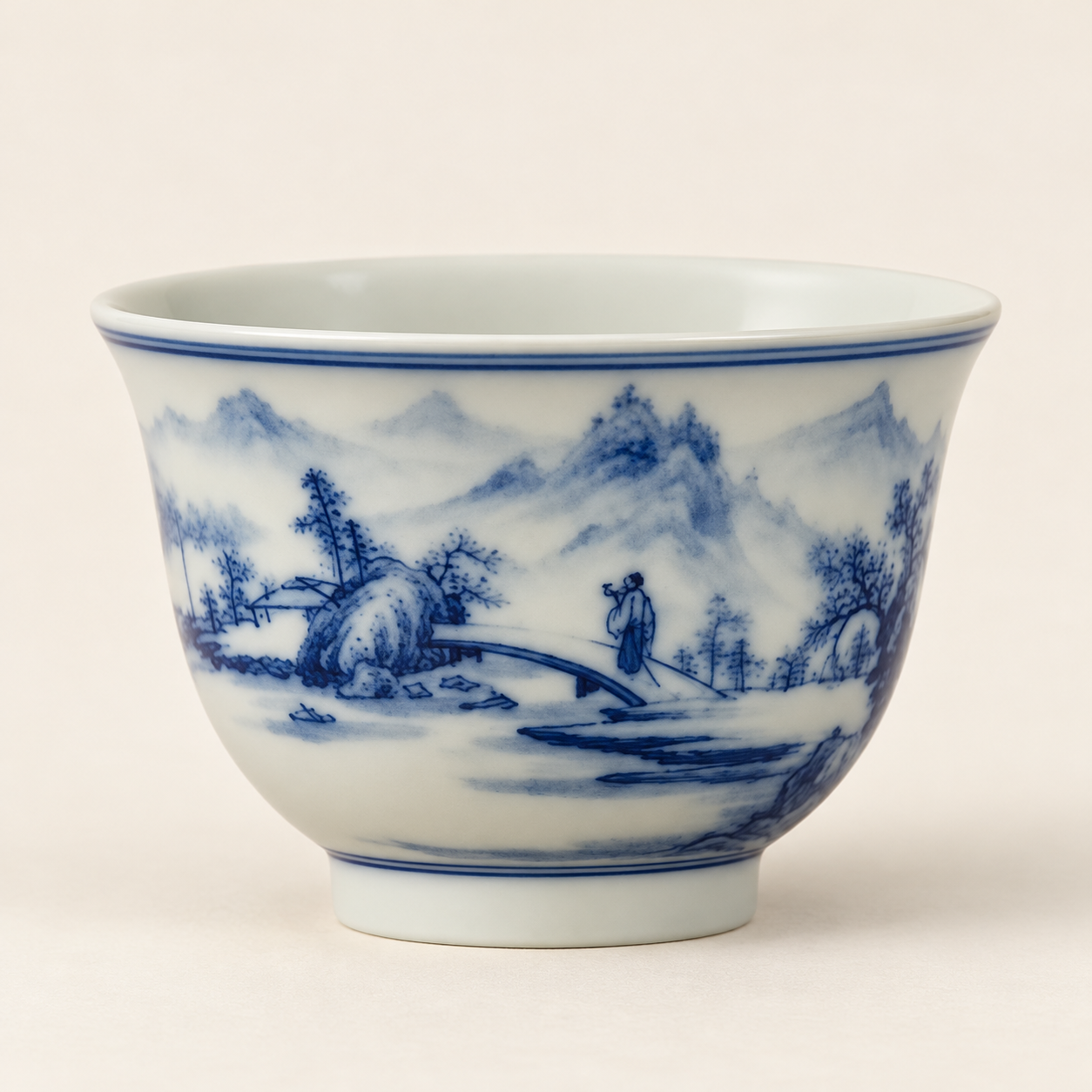
The V&A broadly describes blue-and-white as ceramics with cobalt-blue decoration on a white body, usually brushed beneath the glaze. That qualification matters. It describes materials and decoration, rather than making every object with blue and white colours technically identical. Source: V&A
The V&A's vase C.8-1952 gives us a specific example. Dated 1320–1350 and made at Jingdezhen, it is catalogued as porcelain with underglaze-blue decoration. Its gallery label identifies cobalt painting and a scene from The West Chamber. Here, blue builds a narrative image. The date belongs to this object; it does not establish when blue-and-white began. Source: V&A
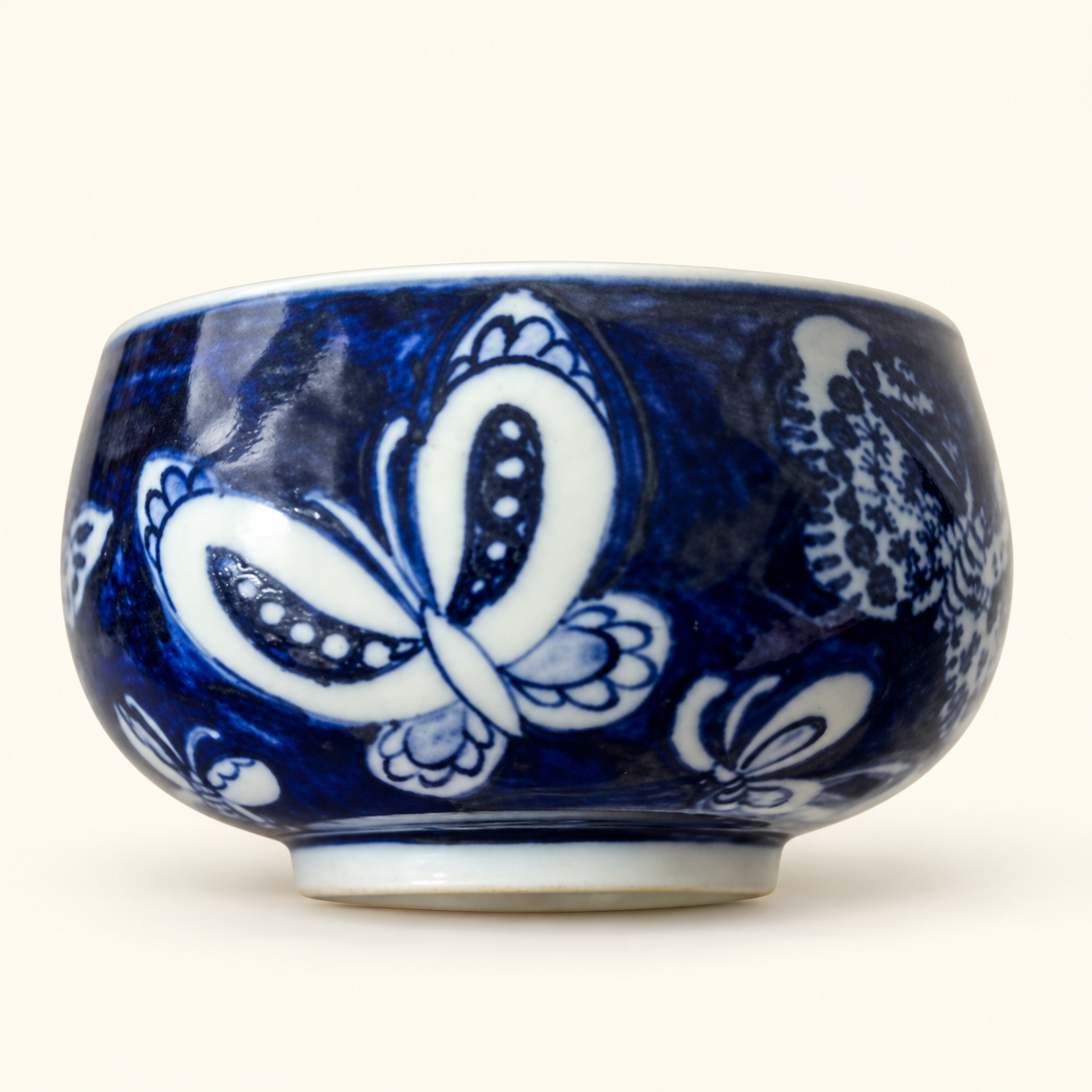
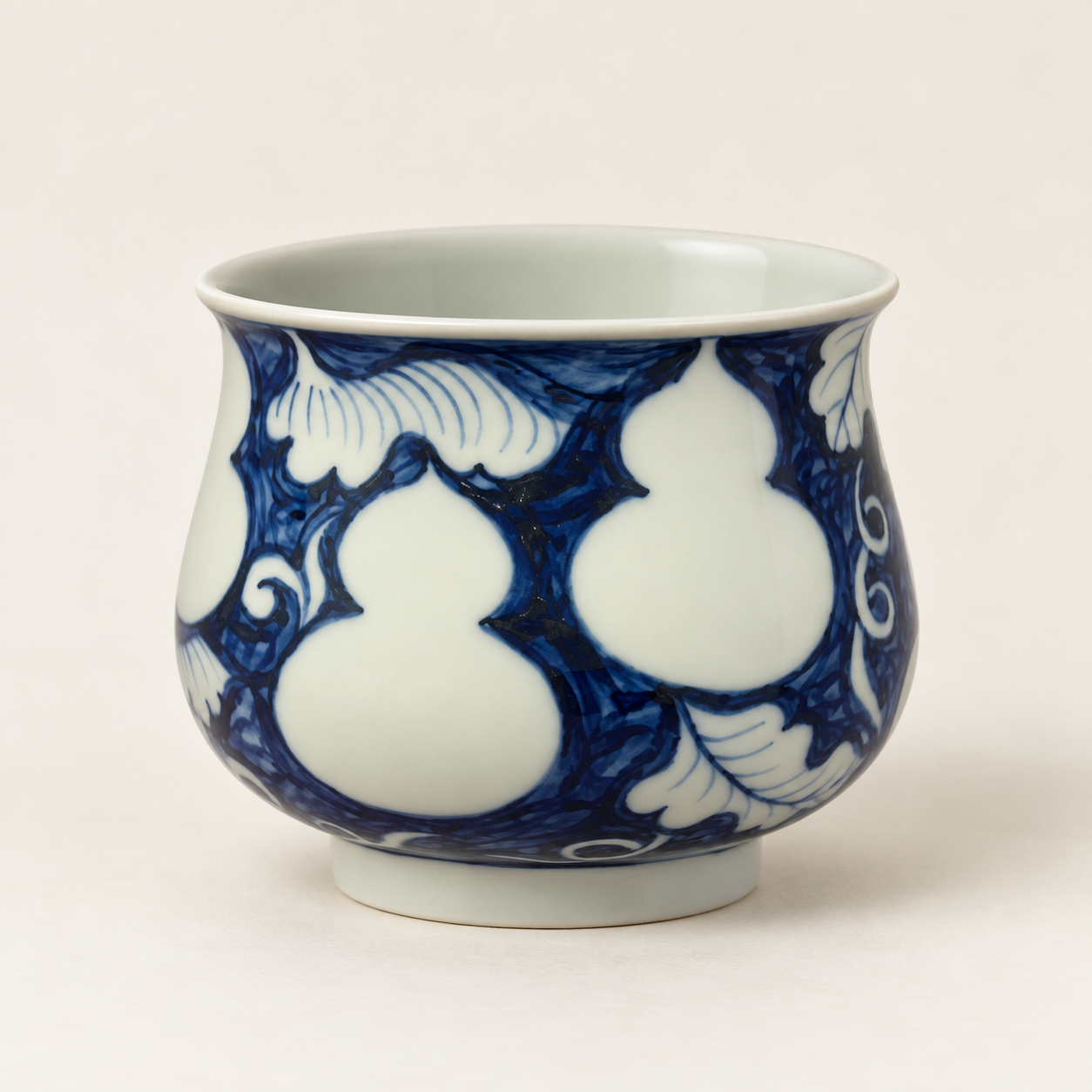
Blue-and-white also allows more than blue lines on an otherwise white surface. The V&A describes contrasts between darker and lighter blue, as well as white patterns reserved against a dense blue ground. Looking closely reveals different ways to organise the same limited palette. Source: V&A
Three checks when reading a label
Our reading suggestion is to start with the material and technique field: does it describe a glaze, cobalt painting, or something else? Next, note the accession number and check the date, place and vessel type together. Finally, ask whether the explanation concerns this object or a broader group. These steps help with reading a label; they do not authenticate an object. Source: CMA Source: The Met Source: V&A
Use the terms to look more closely
The distinction gives us more to notice: the glazed surface of a qingbai vessel, or the lines and reserved spaces of a blue-and-white design. There is no need to rank one above the other, or to assign the same story to every blue-and-white object.
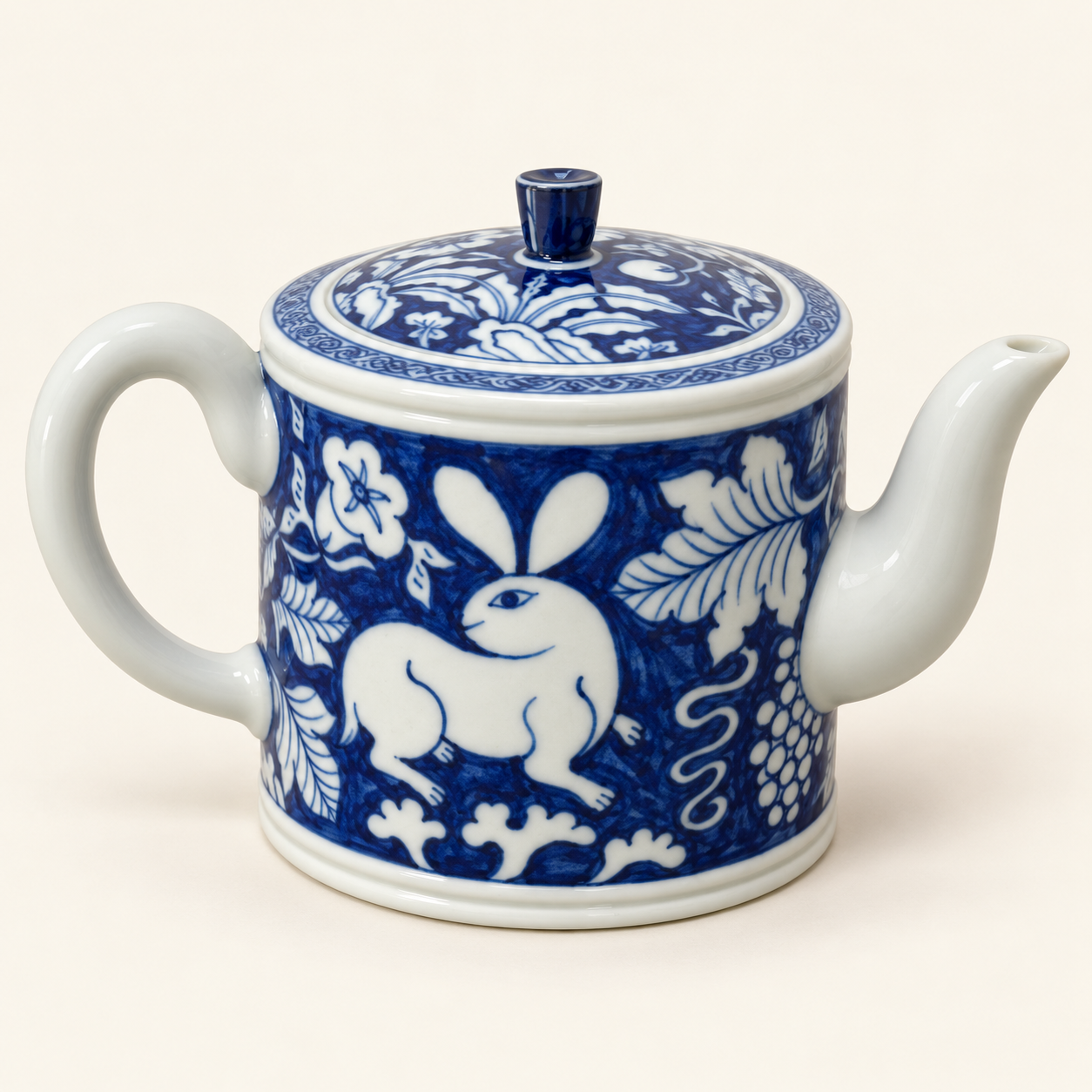
These three objects are historical museum holdings, separate from YAO BIAN JI's current stock. Their records do not establish our pieces' dates, makers, kilns, firing methods or food-contact suitability. When looking at a contemporary piece, start with the shapes and patterns you enjoy, then check that individual listing's image notes and available information.
Sources and the scope of this guide
- Cleveland Museum of Art — Cup and Stand (Cup), 1980.185.a
- Victoria and Albert Museum — Chinese blue-and-white ceramics
- The Metropolitan Museum of Art — Vase in the shape of a flower, 17.175.5
- Victoria and Albert Museum — Vase, C.8-1952
These three objects are historical museum holdings, separate from YAO BIAN JI's current stock. Their records do not establish our pieces' dates, makers, kilns, firing methods or food-contact suitability. When looking at a contemporary piece, start with the shapes and patterns you enjoy, then check that individual listing's image notes and available information.